




Interior Design for Hospitality: What Separates Good Hotels From Memorable Ones

There is a reliable way to identify a hotel interior that was designed by a hospitality specialist rather than a general interior designer: it feels inevitable. Every decision, the proportion of the lobby, the quality of the light in the corridors, the relationship between the room and the view, the material choices at every threshold, feels like it could not have been otherwise. Nothing is arbitrary, and nothing is merely decorative.
This quality does not emerge from a larger budget. It emerges from a different way of thinking about what interior design is for in a hospitality context. The answer is not comfort, though comfort matters. It is not aesthetics, though aesthetics matter. It is memory. The interior design of a hotel is the mechanism by which guests form a relationship with a place, one that brings them back, and that they describe to others.
What hospitality interior design requires
Designing for hospitality requires a precise understanding of how people move through space over time, not just how a room photographs from the doorway. It requires thinking about arrival as carefully as accommodation, about the transition between public and private space, about what a guest sees from the bed when they wake up in the morning.
It also requires understanding the operator's commercial logic. The interior design decisions that produce the highest guest satisfaction scores are often not the most expensive ones. They are the most considered ones: the quality of light at the desk, the acoustic separation between sleeping and bathroom, the view management from the primary seating position. Explore our interior design portfolio to see this thinking applied across residential and hospitality contexts.
The relationship between architecture and interior
The best hospitality interiors are designed in full alignment with the architecture that contains them. When architecture and interior design are separated, as they often are, with the architect handing over a shell and the interior designer working within it, the result is typically a project where the two disciplines work around each other rather than with each other.
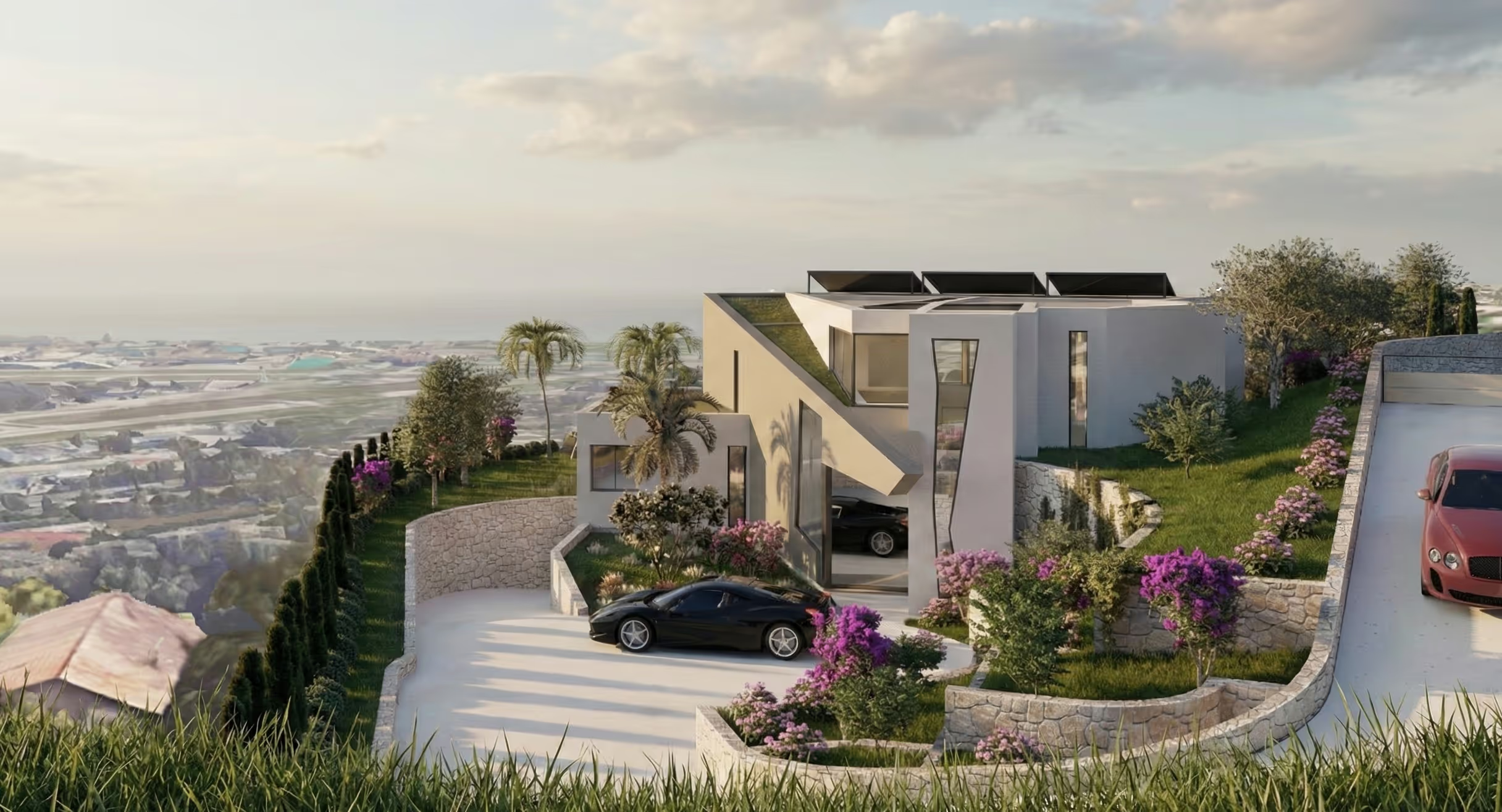
At Deuxign, architecture and interior design share a team. The decisions made at a spatial level and the decisions made at a material and detail level are made by people who are thinking about the project as a whole. Villa Tulipe in Mougins, one of the Cote d'Azur's most prestigious hilltop addresses with views toward the Bay of Cannes, demonstrates what this produces: an interior that reads as a continuation of the landscape rather than an imposition on it.
You can see a similar approach at work in Villa Cystes and Villa Picasso I, two further residential projects on the French Riviera where architecture and interior were conceived as one.
Working with Deuxign on hospitality projects
We work with hotel operators, resort developers, and private residential clients in New York, the Middle East, and Europe. Our hospitality interior design practice is integrated with our architecture and brand identity practices, which means the environments we design are coherent at every level, from the massing of the building to the choice of a door handle.
If you are planning a hospitality project and want to discuss an integrated approach, we would be glad to hear your brief.
More insights